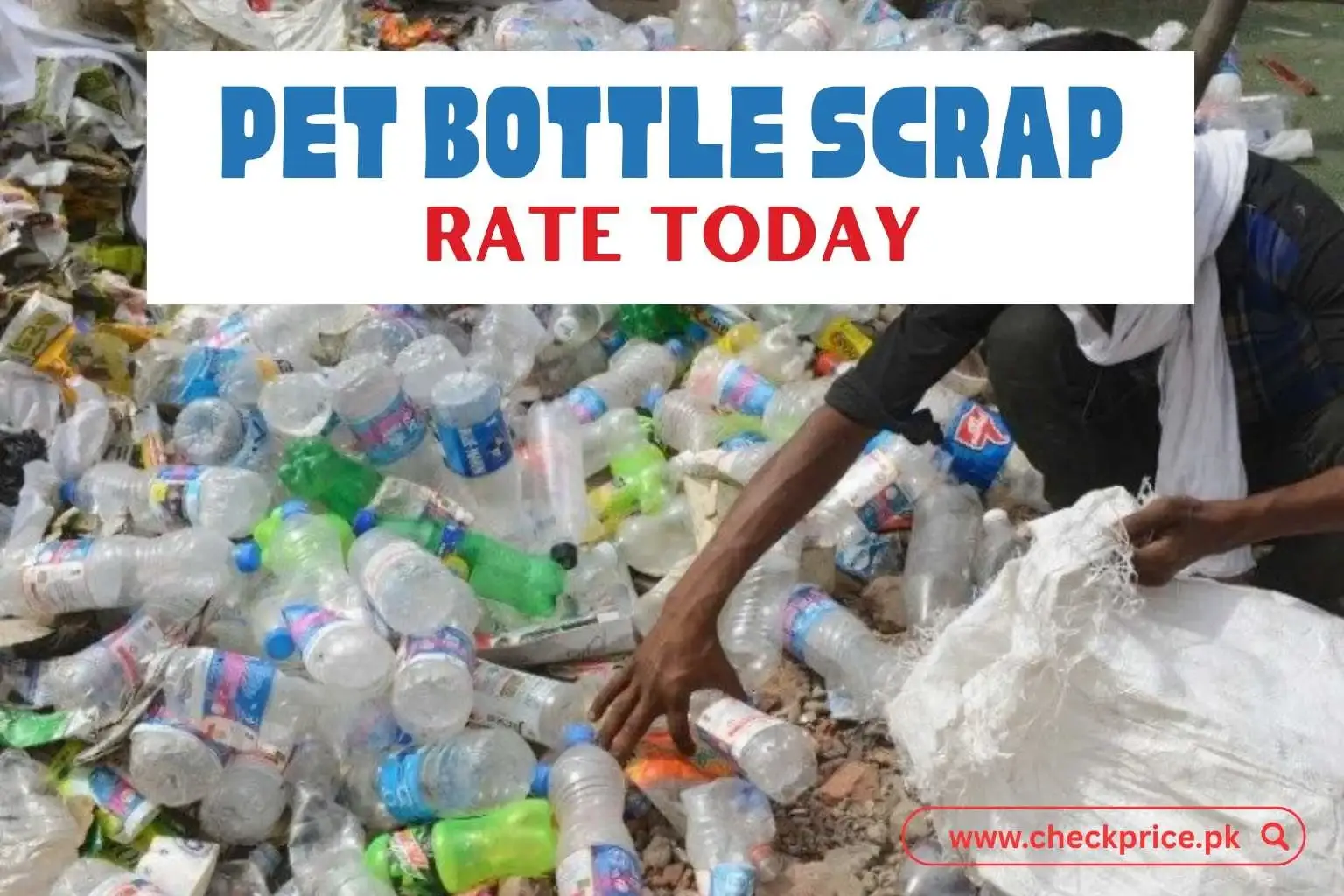
Plastic Scrap Price in Pakistan Today (2026 PET Bottle, Crush & Dana Rates)
In Pakistan’s major plastic recycling mandis (Lahore Badami Bagh, Karachi Shershah, and Gujranwala), Clean Sorted PET Bottles trade at Rs. 142 – 160 / KG, Hot-Washed PET Crush Flakes sell for Rs. 180 – 205 / KG, and White Recycled Plastic Dana fetches Rs. 210 – 245 / KG.
Plastic Scrap (پلاسٹک کباڑ) is one of the fastest-moving cash commodities in Pakistan’s circular manufacturing economy. Because imported virgin petrochemical polymers (HDPE, PP, LDPE, and PVC resins) carry heavy customs duties and US Dollar exposure, thousands of local injection-molding factories, pipe extruders, shoe manufacturers, and Polyester Staple Fiber (PSF) textile units in Lahore, Faisalabad, Gujranwala, and Karachi rely on domestic recycled plastic scrap. Prices vary daily based on polymer type, color purity, and whether the material is raw unwashed scrap, crushed flakes, or extruded granules (Plastic Dana).
1. Complete Plastic Scrap & Polymer Grade Price List in Pakistan (Per KG)
Wholesale scrap yards and crushing plants price plastic waste strictly by polymer code and color sorting:
2. City-Wise Plastic Scrap Mandi Rates (Lahore, Karachi, Gujranwala & Faisalabad)
How PET Beverage Bottles Are Turned into Polyester Fiber & Plastic Dana in Pakistan
Many people assume used mineral water and cold-drink bottles are melted down to make new bottles. In reality, over 75% of Pakistan’s collected PET (Polyethylene Terephthalate) bottle scrap is processed into regenerated Polyester Staple Fiber (rPSF) used for stuffing pillows, winter quilts (razais), car carpets, and spinning poly-cotton yarn in Faisalabad and Sheikhupura:
- Color & Cap Sorting: Clear transparent water and 7Up/Sprite bottles are separated from green (Mountain Dew/7Up old) and brown bottles. Next, the polypropylene (PP) screw caps and neck rings are removed—because PP floats in water while PET sinks, crushing plants use float-sink tanks to separate cap fragments automatically.
- Granulator Crushing & Caustic Hot Washing: The de-labeled bottles pass through high-speed rotary blade crushers that chop them into 12mm flakes. These flakes are boiled in caustic soda and detergent tanks at 85°C to strip away glue, sugar residue, and dirt.
- Extrusion into Recycled Pellets (Plastic Dana): For HDPE drums, PP chairs, and LDPE shopping bags, the washed flakes are fed into a heated screw extruder, melted through a fine steel mesh screen, pulled like spaghetti strands through a cold water trough, and chopped into uniform pellets called Plastic Dana. White and natural-clear dana commands the highest price (Rs. 210–245/kg) because it can be dyed any bright color, whereas mixed dark plastic is extruded into cheap black conduit pipe dana (Rs. 115–140/kg).
4 Practical Ways Scrap Dealers Earn Rs. 25–35 More Per KG on Plastic
- 1. Strip PVC Shrink Labels Before Selling: A single PVC wrapper left inside a batch of PET bottles turns black and acidic when melted at 260°C, ruining an entire batch of white polyester flakes. Removing labels boosts your rate from “Mixed PET” to “Clean Sorted PET.”
- 2. Never Mix ABS Appliance Plastic with PP Household Tubs: Black TV casings, computer monitors, and AC front panels are made of ABS or HIPS engineering plastic, whereas buckets, chairs, and baskets are PP (Polypropylene). Selling sorted white AC/fridge body plastic separately to Gujranwala appliance recyclers yields a much higher rate than dumping it into mixed household scrap.
- 3. Drain Residual Liquid & Sand: Crushing mills deduct 10% to 18% “moisture and mud allowance” (kanta katoti) on unwashed municipal dump bottles. Puncturing bottle caps and pressing bales dry guarantees full weight payment.
- 4. Time Your Sales Around Seasonal Beverage Cycles: During peak summer months (May to August), cold-drink bottle supply floods the market, while textile fiber demand peaks in autumn and winter (October to February) when domestic supply tightens.
The Kabari’s Science: The Field “Burn & Float” Identification Test for Plastics
In Pakistan’s bustling scrap corridors—from Shershah and Lyari in Karachi to Misri Shah and Badami Bagh in Lahore and Sialkot Road in Gujranwala—traders rarely have access to spectroscopy laboratories. Instead, seasoned kabaris and recycling factory procurement managers determine the polymer grade and purity of unlabelled plastic scrap using two time-tested physical tests: the Flame/Burn Test and the Water Floatation Test:
| Resin Code & Plastic Name | Flame Color & Burning Behavior | Odor / Smell When Extinguished | Water Float Test | Common Local Scrap Scrap Source |
|---|---|---|---|---|
| PET (Code 1) Polyethylene Terephthalate | Yellow flame with blue edges; burns slowly with sooty black smoke | Sweet, chemical, faintly burnt sugar smell | Sinks (Density 1.38 g/cm³) | Soft drink bottles (Aquafina, Coke, Gourmet), cooking oil jars, blister packs. |
| HDPE (Code 2) High-Density Polyethylene | Yellow tip with blue base; melts and drips rapidly like candle wax | Strong paraffin candle wax odor | Floats (Density 0.95 g/cm³) | Milk cans, shampoo bottles, detergent drums, underground water supply pipes. |
| PVC (Code 3) Polyvinyl Chloride | Yellow flame with distinctive green spurts; extinguishes itself when pulled away from flame | Pungent, irritating hydrochloric acid smell; acrid smoke | Sinks Fast (Density 1.42 g/cm³) | Electric conduit pipes, sanitary sewerage pipes, credit cards, faux leather. |
| LDPE (Code 4) Low-Density Polyethylene | Burns slowly with steady dripping wax drops | Faint paraffin candle odor | Floats (Density 0.92 g/cm³) | Shopping lifafa bags, squeeze bottles, agricultural mulch films, bubble wrap. |
| PP (Code 5) Polypropylene | Bright yellow flame with blue base; drips cleanly with zero black smoke | Faint petroleum / diesel odor without sweetness | Floats (Density 0.90 g/cm³) | Battery cases (Exide, Osaka), fertilizer bags (bori), car bumpers, yogurt cups. |
| PS (Code 6) Polystyrene | Burns very rapidly with dense soot and yellow flame; boils and chars | Sweet, marigold or illuminating gas smell (styrene monomer) | Sinks (Density 1.05 g/cm³) | Thermopore packaging sheets, disposable coffee cups, CD jewel cases. |
Machinery & Financial Blueprint for a Small Plastic Flake (Crushing) Unit
Entrepreneurs who graduate from buying raw unsegregated plastic scrap to processing washed plastic flakes capture the highest value addition in Pakistan’s recycling supply chain. A basic semi-automated PET or HDPE crushing setup requires modest capital investment compared to large industrial extruder lines:
- Heavy Duty Rotary Grinder (Crusher): Powered by a 20HP to 30HP electric motor, a 24-inch rotor crusher fitted with high-carbon steel blades shreds up to 300 kg to 500 kg of rigid plastic per hour. Fabricated in Gujranwala or Daska, a brand-new unit costs approximately Rs. 380,000 to Rs. 550,000.
- Friction Washing & Separation Tank: Water tanks fitted with motorized paddle wheels separate floating caps and rings (PP/HDPE) from sinking PET bottle flakes. In addition, caustic soda (sodium hydroxide) heated to 65°C removes residual label adhesive and syrup sugars. Setup cost ranges between Rs. 180,000 and Rs. 280,000.
- High-Speed Spin Dryer (Centrifuge): Removes 98% of surface moisture from washed flakes within 90 seconds, preparing the material for bagging. Setup cost is approximately Rs. 140,000 to Rs. 200,000.
- Unit Economics: Purchasing raw, baled beverage bottles at Rs. 100 – Rs. 115 per kg, processing yields approximately 82% clean, washed hot flakes (accounting for 18% moisture, dirt, and cap loss). These clean flakes sell directly to synthetic fiber mills in Faisalabad and Sheikhupura at Rs. 175 to Rs. 195 per kg, delivering a healthy gross operating margin of Rs. 25 to Rs. 35 per kg after deducting labor and electricity expenses.
Frequently Asked Questions
Which type of plastic scrap sells for the highest price in Pakistan?
In Pakistan, clear virgin-grade LDPE packaging film, sorted transparent PET beverage bottles (Rs. 142–160/kg), hot-washed PET flakes (Rs. 180–205/kg), and white recycled Plastic Dana (Rs. 210–245/kg) command the highest prices.
What is the wholesale price of 1 kg PET bottle scrap in Pakistan today?
Clean, de-labeled transparent PET bottles sell for Rs. 142 to Rs. 160 per kg at wholesale recycling mandis in Lahore, Gujranwala, Faisalabad, and Karachi, while unsorted bottles with caps and labels sell for Rs. 120 to Rs. 138 per kg.
Why do local street kabaris pay less than recycling plants for plastic?
A neighborhood kabari or street hawker typically pays Rs. 65 to Rs. 90 per kg for mixed household plastic because they must bear the labor cost of manual polymer sorting, label stripping, hydraulic baling, and transport to crushing mills.
How much investment is required to start a plastic crushing (flake) unit in Pakistan?
A small collection and sorting godown can be started with Rs. 250,000 to Rs. 400,000 in working capital, whereas setting up a motorized 20 HP plastic crusher, friction washer, and drying tank requires approximately Rs. 1.2 million to Rs. 2.5 million.