
Scrap Rate in Pakistan Today – Loha, Copper & Metal Prices
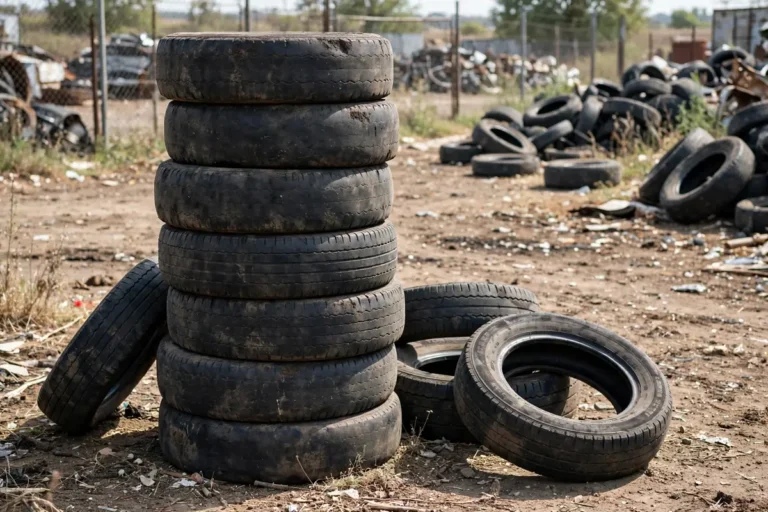
♻️ Industrial Recycling: In addition to metal scrap, Pakistan’s pyrolysis plants recycle heavy vehicle rubber; check current market rates in our Scrap Tyre Price in Pakistan guide.
The scrap and recycling industry in Pakistan is a vital economic engine supplying raw materials to re-rolling steel mills, copper smelting furnaces, and manufacturing plants. Scrap rates change daily based on international London Metal Exchange (LME) spot indices, domestic construction steel (saria) demand, energy costs, and regional supply inflows from Gadani Ship Breaking Yard, Misri Shah Lahore, and Shershah Karachi. Below is the comprehensive daily benchmark rate list for all major ferrous and non-ferrous metals.
1. Iron & Steel Scrap Rates in Pakistan (لوہا سکریپ ریٹ)
Iron scrap (ferrous metal) is procured heavily by induction furnaces and steel mills to manufacture construction rebar (Grade-60 saria). The rates depend directly on metal thickness, rusting levels, and melting yield:
2. Non-Ferrous Metal Scrap: Copper, Brass & Aluminum (تانبا، پیتل اور سلور)
Non-ferrous metals are significantly more valuable than iron due to their industrial conductivity and corrosion resistance. Rates are benchmarked against international dollar movements and purity grade:
3. Battery, Gatta, Plastic & Electronic Scrap Rates
In addition to raw metal scrap, Pakistan’s recycling ecosystem actively processes lead-acid batteries, cardboard packaging, plastic polymers, and electronic waste:
How Induction Furnaces & Wholesale Kabari Mandis Grade Scrap in Pakistan
If you are liquidating factory machinery, construction steel cut-offs, or household metal scrap, knowing how wholesale buyers at Misri Shah (Lahore), Shershah (Karachi), and Gondlanwala Road (Gujranwala) classify material prevents unfair weight deductions (Katt):
- HMS-1 vs. HMS-2 vs. Toka/Patra Iron: Induction furnaces pay top rupee for Heavy Melting Steel (HMS-1)—solid iron plates, girders, angles, and machinery shafts at least 6mm (1/4 inch) thick that melt with minimal slag loss (~90% recovery). Thin rusted tin cans, roof sheets, and paint buckets (Patra / Toka scrap) oxidize heavily inside the furnace crucible, losing 20% to 25% of their weight as slag, which is why dealers buy thin sheet metal Rs. 20 to Rs. 30 per kg cheaper than heavy loha.
- Copper Wire Stripping vs. Burning (Jalai ki Katt): Never burn PVC insulation off copper electrical cables in an open fire. Black soot and oxide scale formed during burning classify the wire as Jala Hua Taamba (No. 2 Burnt Copper), costing you Rs. 200 to Rs. 280 per kg in purity deductions compared to bright, mechanically stripped armature or cable copper (Chheela Hua Super Taamba).
- Old Lead-Acid UPS & Car Battery Valuation (Per Plate vs. Drained Weight): Neighbourhood scrap buyers purchase dead batteries by counting plates (e.g., 9-plate, 15-plate, 21-plate, or 27-plate tubular/flat batteries), whereas wholesale smelting plants buy by drained dry weight (Rs. 320–355/kg). A standard 150Ah–180Ah tall tubular solar/UPS battery weighs 42 to 48 kg when drained of acid, fetching Rs. 13,500 to Rs. 16,500 in cash or trade-in value against a new battery.
What Factors Influence Daily Scrap Rates in Pakistan?
Understanding metal market dynamics helps scrap dealers, contractors, and demolition engineers maximize their return when selling bulk materials:
- Steel Rebar (Saria) Pricing Correlation: Iron scrap prices mirror finished construction rebar. If fresh Grade-60 saria rises due to coal or electricity hikes, re-rolling mills increase their buying rate for HMS-1 and HMS-2 scrap to maintain production lines. Check our daily Today Steel Rate in Pakistan benchmark.
- PKR-USD Exchange Rate Parity: Non-ferrous metals like copper, brass, and aluminum are internationally traded commodities. Any currency depreciation of the Pakistani Rupee raises local scrap prices proportionally.
- Gadani Ship Dismantling Inflow: The arrival and beaching of large cargo ships and oil tankers at Gadani Ship Breaking Yard in Balochistan floods Karachi and Punjab re-rolling mills with heavy steel plate scrap, stabilizing domestic iron prices.
- Sorting & Purity Quality: Unsorted, rusted, or dirty scrap with sand or moisture is purchased at heavy deduction (katt / کٹ). Clean, segregated copper wiring and stripped aluminum section command the absolute peak market rates.
Frequently Asked Questions
What is the price of 1 KG iron (loha) scrap in Pakistan today?
Today, heavy iron scrap (HMS-1) trades between Rs. 172 and Rs. 184 per KG in major markets like Lahore and Karachi. Lighter sheet cutting and tukra scrap sell between Rs. 152 and Rs. 164 per KG.
What is the current copper (taamba) scrap rate per KG?
Pure armature copper wire scrap (Grade A) trades between Rs. 2,650 and Rs. 2,850 per KG. Mixed copper scrap and unstripped household wiring sell between Rs. 2,400 and Rs. 2,580 per KG.
How much is brass (peetal) scrap per KG?
Brass scrap (peetal), primarily obtained from sanitary water taps, valves, and decorative hardware, currently sells between Rs. 1,620 and Rs. 1,780 per KG.
What is the scrap value of an old dead car or UPS battery?
Old lead-acid batteries are sold based on dry plate weight at Rs. 320 to Rs. 355 per KG. Alternatively, scrap dealers purchase complete automotive batteries at approximately Rs. 85 to Rs. 110 per Ampere-hour (Ah).
Where are Pakistan’s largest wholesale scrap markets located?
The two largest central wholesale scrap and metal trading hubs in Pakistan are Misri Shah in Lahore and Shershah in Karachi. Gujranwala is also a primary center for brass and aluminum smelting scrap.
Why do scrap prices vary between cities?
Freight transportation costs, distance from major steel re-rolling centers (Lahore, Karachi, Gujranwala), and local foundry demand cause prices to vary by Rs. 4 to Rs. 8 per KG across different regions.
Conclusion
The scrap metal market in Pakistan remains highly active with daily price adjustments governed by steel mill procurement, global LME metals, and industrial recycling needs. With heavy iron scrap trading near Rs. 172 to Rs. 184 per KG and pure copper wire exceeding Rs. 2,750 per KG, scrap sellers and traders should properly grade and segregate metals before visiting wholesale mandis to secure peak market value. Bookmark this page for daily verified scrap prices across Lahore, Karachi, and all industrial cities.