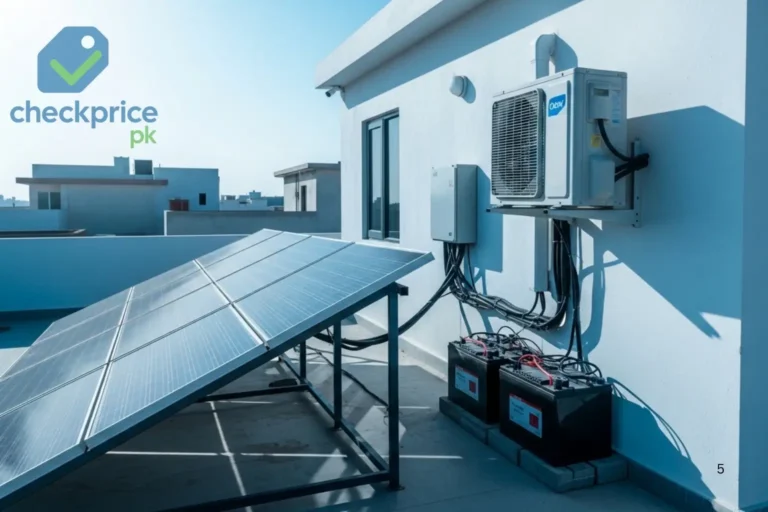
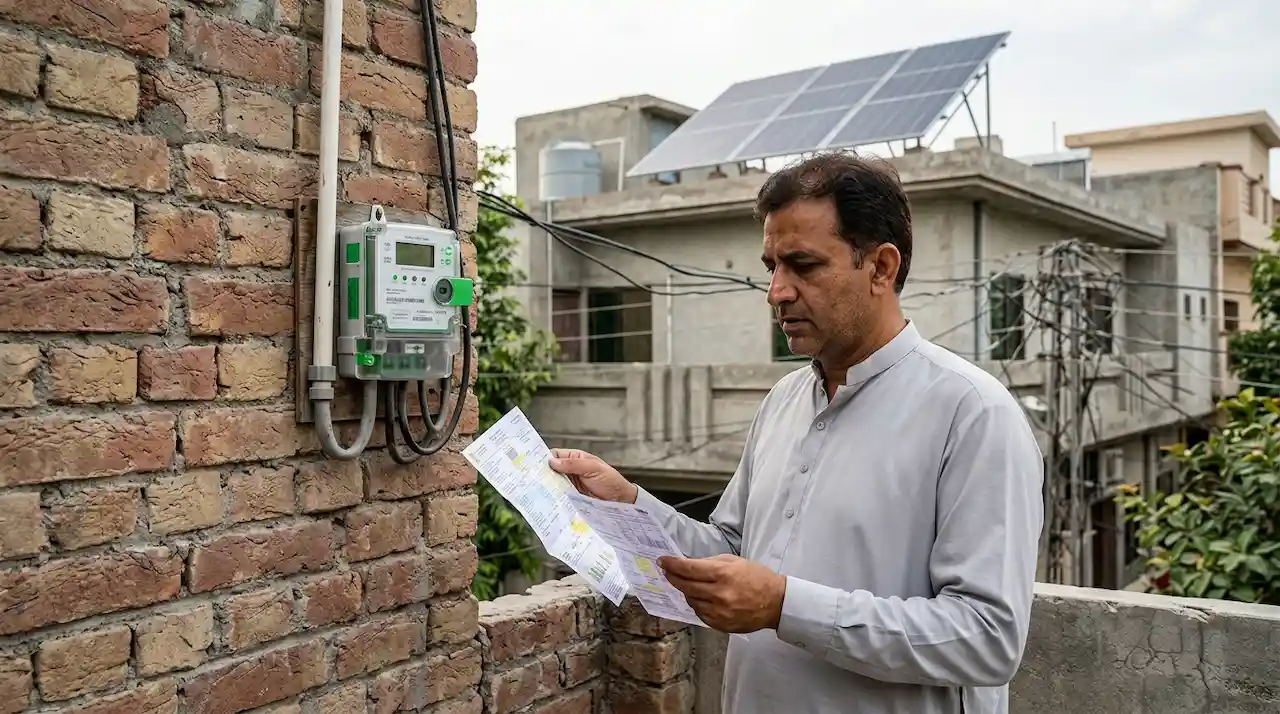
On glossy brochures and solar company advertisements, the promise of solar net metering in Pakistan sounds like a dream: install solar panels, hand over surplus units to the national grid, and watch your electricity bills drop to zero. However, for thousands of Pakistani citizens who have invested their hard-earned lifetime savings into rooftop photovoltaic systems, the ground reality of getting that coveted Green Meter (Bi-Directional Meter) energized tells a completely different, exhausting story.
Between mounting administrative red tape at local distribution companies (DISCOs), sudden policy shifts regarding buyback tariffs, artificial meter shortages, and unofficial “speed money” demands at the sub-divisional level, getting a net meter approved has become a bureaucratic obstacle course. In this unfiltered yet practical analysis, we examine the real-world roadblocks homeowners face across LESCO, K-Electric, IESCO, FESCO, and GEPCO—and share proven strategies to navigate them successfully.
1. The “Transformer Capacity” Ceiling: The 80% Saturation Hurdle
One of the earliest stumbling blocks an applicant encounters is the infamous Transformer Capacity Rule. Under National Electric Power Regulatory Authority (NEPRA) regulations, solar energy exported back into a local distribution transformer cannot exceed 80% of that transformer’s rated kilovolt-ampere (kVA) capacity.
In densely populated residential sectors across Lahore (DHA, Bahria, Johar Town), Islamabad, and Karachi, affluent neighborhoods embraced solar installations early. Consequently, when an ordinary middle-class homeowner applies today, the local Sub-Divisional Officer (SDO) often delivers the disappointing news: “Aapka feeder/transformer full ho chuka hai (Your transformer capacity is saturated).”
While this rule technically protects aging distribution transformers from reverse-power overheating, on the ground it often creates an artificial bottleneck where consumers find their applications kept in administrative limbo indefinitely unless local transformer upgrades are sanctioned.
2. The Green Meter Shortage & Unofficial Processing “Expeditions”
Even after acquiring initial feasibility clearances and signing the Schedule-I agreement with the DISCO, the actual installation of the bidirectional green meter frequently hits a brick wall. Over the past couple of years, distribution companies have repeatedly cited import restrictions and supply chain shortages for the lack of available green meters.
In practice, this scenario often forces consumers into two difficult paths:
- The Exhausting Waiting Game: Waiting three to five months with an idle rooftop system while continuing to pay crushing peak-hour utility bills and fixed surcharges.
- Private Market Procurement & “Facilitation”: Many DISCOs eventually allow consumers to purchase their own approved bidirectional meter from authorized third-party vendors. However, getting that meter tested, calibrated by the Metering & Testing (M&T) department, and installed on the pole frequently requires persistent personal follow-ups and navigating informal “facilitation expenses” demanded by ground-level line staff and clerks.
3. The Policy Cloud: Gross Metering vs. Net Metering & Tariff Debates
Adding to consumer anxiety is the constant regulatory uncertainty surrounding buyback tariffs. In recent months, federal discussions and proposals have surfaced exploring shifts from traditional Net Metering to Gross Metering, or slashing the buyback rate (the credit given for exported units) from the standard off-peak national basket price down to marginal power purchase costs.
The government’s stated concern is the “Capacity Payment Trap”—arguing that as affluent consumers reduce their grid intake, the burden of maintaining legacy generation contracts falls disproportionately onto underprivileged, non-solar consumers. However, for a homeowner who installed a 10kW setup calculating a 3-year return on investment, retrospective tariff adjustments threaten to double that payback horizon.
While public backlash and consumer associations have largely defended the existing net metering framework, this ongoing policy tug-of-war highlights the importance of sizing solar systems strictly to your household’s actual annual consumption rather than building purely speculative commercial export setups.
4. Shoddy Contracting: The Trap of Uncertified “Changa Manga” Installers
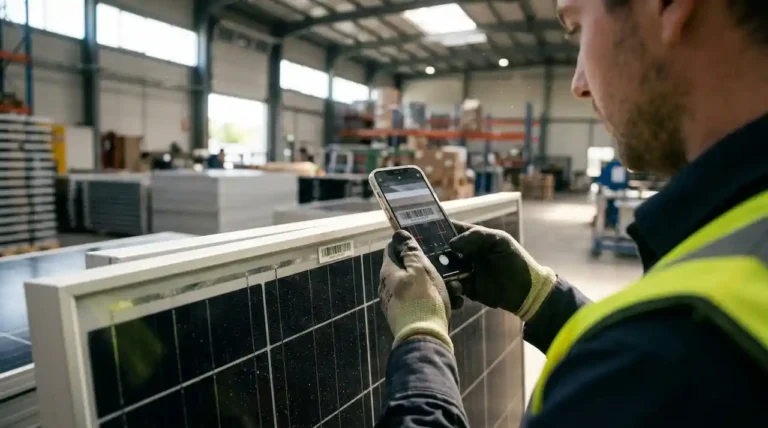
Not all delays stem from government departments. A significant share of consumer distress originates from hiring unqualified, unauthorized contractors and falling victim to B-grade solar panel fraud. Lured by cheap package quotes on social media, homeowners frequently engage local electricians who lack AEDB (Alternative Energy Development Board) licensing.
When the DISCO inspection team finally visits the premises, applications are summarily rejected due to critical technical omissions:
- Faulty Earth Pits (Earthing): DISCO safety officers mandate an earth resistance value strictly below 5 Ohms. Cheap contractors often use substandard GI rods or dry soil pits that fail computerized testing.
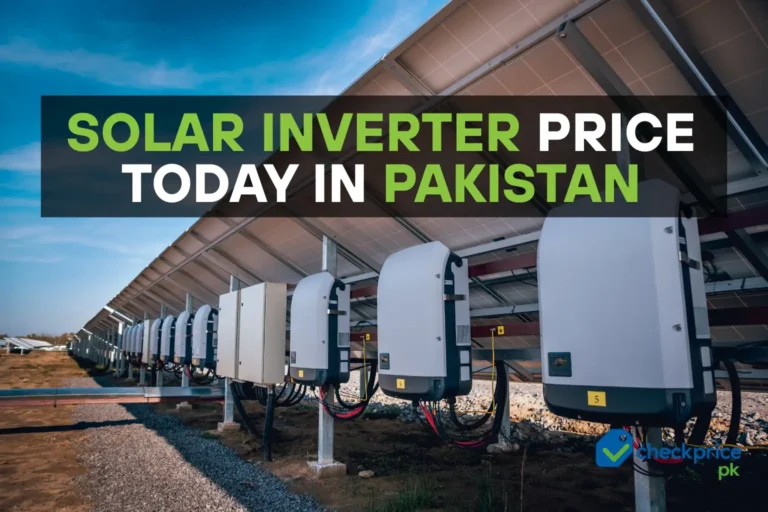
- Non-Certified Inverters: Installing gray-market or non-type-certified inverters without legitimate anti-islanding compliance certificates stops an application dead in its tracks.
- Inaccurate Single-Line Diagrams (SLD): Discrepancies between the electrical blueprint submitted on paper and the physical wiring on the rooftop trigger immediate re-inspection penalties.
5. Homeowner’s Survival Guide: How to Actually Get Your Green Meter Approved
Despite the hurdles, thousands of Pakistani homes successfully turn their meters green each month. To minimize friction, protect your investment, and avoid unnecessary extortion, follow this tactical roadmap:
A. Demand an “End-to-End Turnkey” EPC Contract
Never pay a solar contractor 100% upfront. Structure your payment terms so that at least 15% to 20% of the total project cost is withheld until the green meter is physically installed, tested, and the first net-metered bill reflecting credit units is generated. A reputable AEDB-certified firm should handle all SDO liaisons, M&T testing, and NEPRA filings under their scope of work.
B. Conduct a Pre-Application Feasibility Check
Before purchasing hardware (and reviewing per-watt plate benchmarks), have your contractor verify the exact spare capacity of your neighborhood transformer with the local sub-division clerk. Securing an informal or preliminary NOC prevents purchasing expensive solar plates only to find your feeder closed for new connections.
C. Track Your Application File Digitally
Most modern DISCOs have initiated online portal tracking for net metering. Always insist on receiving your official Tracking / Diary Number upon document submission. When an application has a verifiable digital footprint, officials find it considerably harder to shelve the file indefinitely without legitimate written technical objections.
The Bottom Line
The journey toward solar energy independence in Pakistan is undoubtedly fraught with bureaucratic challenges, testing the patience of even the most diligent citizens. Yet, considering that electricity tariffs remain subject to persistent upward adjustments, net metering remains an irreplaceable, game-changing financial shield. By choosing genuine AEDB-certified partners, insisting on stringent engineering standards, and preparing for the procedural reality with patience, Pakistani homeowners can successfully break free from staggering monthly electricity bills.