Solar System Cost in Pakistan Today (پاکستان میں سولر سسٹم کی قیمت)
- Fastest Payback in History: With WAPDA / K-Electric tariffs crossing Rs. 60–65 per unit (including taxes and FPA), a standard home solar system pays for itself in just 2 to 3 years.
- Panel Prices Dropped: Tier-1 N-Type TopCon bifacial solar plates now trade between Rs. 28 to Rs. 33 per watt, down dramatically from historical highs.
- Most In-Demand Home Setup: A 5kW Hybrid setup (Rs. 7.5–9.8 Lakh) or 10kW On-Grid Net-Metered system (Rs. 8.5–10.5 Lakh) are the gold standards for 5-marla and 10-marla Pakistani homes.
- Battery Decision: Tubular batteries (Rs. 1.2–1.8 Lakh) are cheaper upfront but last only 3 years. Lithium LiFePO4 batteries (Rs. 3.5–5.5 Lakh) last 10–15 years with zero maintenance.
Electricity bills in Pakistan have skyrocketed to unsustainable levels. Between fuel price adjustments (FPA), capacity charges, and multi-slab tariffs, middle-class households are paying Rs. 40,000 to over Rs. 120,000 per month during summer.
Because of this, solar energy is no longer a luxury for affluent neighborhoods; it is the most lucrative and reliable financial investment for any Pakistani family seeking permanent relief from utility inflation and load shedding.
Solar System Price List in Pakistan by Capacity (2026)
Total turnkey installation cost includes Tier-1 solar panels, inverter, galvanized L2/L3 mounting structure, pure copper DC/AC cables, breakers/protection box, earthing boring, and labor:
| System Size | On-Grid (No Battery) | Hybrid + Battery (Full Backup) | Daily Units (Avg. Sun) |
|---|---|---|---|
| 3 kWSmall Home / Shop | Rs. 3.2 – 3.8L | Rs. 4.8 – 6.2L | 12 – 15 kWh |
| 5 kW5 Marla House | Rs. 4.8 – 5.8L | Rs. 7.5 – 9.8L | 20 – 25 kWh |
| 7 kWMedium Family | Rs. 6.5 – 7.8L | Rs. 10.0 – 12.5L | 28 – 35 kWh |
| 10 kW10 Marla / 1 Kanal | Rs. 8.5 – 10.5L | Rs. 13.5 – 16.5L | 40 – 50 kWh |
| 15 kWLarge Villa / Plaza | Rs. 12.5 – 15.0L | Rs. 19.0 – 24.0L | 60 – 75 kWh |
To cross-check separate component costs, see our live trackers for solar panel price in Pakistan and solar inverter price in Pakistan.
On-Grid vs Hybrid vs Off-Grid: Which Solar System is Right for You?
The type of system you choose defines 40% of your total quotation. Choosing the wrong setup can leave you stranded during load shedding:
| System Type | How It Works | Outage Backup & Best Fit |
|---|---|---|
| On-Grid(Grid-Tie) | Connects directly to WAPDA. Exports excess daytime units through green net meter. | Zero Backup during load shedding (Safety shutdown). Best for bill reduction in zero-outage areas. |
| Hybrid(Best Seller) | Runs on solar + battery + WAPDA. Exports excess units to grid AND keeps batteries charged. | Instant Backup for ACs, fans, and lights during WAPDA load shedding. Best for 90% of Pakistani homes. |
| Off-Grid(Stand-Alone) | 100% disconnected from WAPDA. Relies entirely on solar panels and heavy battery bank. | Continuous power, but requires very large battery storage. Best for remote farmhouses, tube wells, and rural sites. |
Cost Breakdown of a 5kW Solar Setup in Pakistan
To ensure your solar contractor isn’t overcharging or cutting corners, here is the item-by-item market rate breakdown for a standard 5kW system:
| System Component | Specification & Brand | Est. Cost (PKR) |
|---|---|---|
| Solar Panels~5.2 kW Array | 9 Pcs x 585W Tier-1 N-Type TopCon (Longi / Jinko / Canadian) | Rs. 150k – 170k |
| Hybrid Inverter5kW / 6kW Pure Sine | Inverex Nitrox / Fronus Platinum / Knox Krypton | Rs. 195k – 250k |
| Mounting StructureRooftop Frames | Galvanized L2/L3 frames or custom elevated stand | Rs. 35k – 65k |
| DC & AC ProtectionDistribution Box | Schneider / CNC DC breakers, SPD surge arrestors & changeover | Rs. 30k – 45k |
| Cables & EarthingPure Copper Wiring | Pakistan Cables / Fast Cables (4mm / 6mm DC wire) + Earthing bore | Rs. 35k – 55k |
| Installation LaborTurnkey Commissioning | Testing, civil foundation pads, and civil wiring | Rs. 30k – 45k |
| Total Base SystemWithout Battery | Complete functional 5kW Hybrid setup | Rs. 475k – 630k |
For mounting stands and high-gauge wiring, check our guides on solar panel stand price in Pakistan and solar cable price in Pakistan.
Solar Batteries in Pakistan: Lithium (LiFePO4) vs Tubular
Adding backup storage is where quotes differ by Rs. 2 to 4 Lakh. Here is how lead-acid tubular compares with modern lithium-ion:
| Battery Feature | Tubular (Phoenix / Osaka) | Lithium (Narada / Pylontech) |
|---|---|---|
| Initial Cost | Rs. 130k – 170k (Set of 4) | Rs. 350k – 520k (48V 100Ah) |
| Expected Lifespan | 2.5 to 4 Years max | 10 to 15 Years (6,000 Cycles) |
| Usable Capacity (DoD) | 50% (Draining more damages it) | 90% to 95% (Deep discharge safe) |
| Maintenance | Monthly acid/water top-up | Zero Maintenance (Smart BMS) |
| 10-Year Ownership Cost | High (Must buy 3 sets over 10 yrs) | Cheaper Over 10 Years |
Read our in-depth analysis on modern energy storage in our dedicated lithium battery price in Pakistan guide.
Net Metering in Pakistan: Cost, Process & Approval
Net Metering allows you to export excess solar energy generated during the day back to your power distribution company (LESCO, IESCO, K-Electric, MEPCO) and offset nighttime consumption:
- Application & Green Meter Fee: Typically costs between Rs. 95,000 to Rs. 140,000 depending on your DISCO and sanctioned load.
- Prerequisite: You MUST have a 3-Phase electricity connection in your name with clean billing history and an approved inverter model (Aeronautics / NEPRA certified).
- Processing Timeline: Takes approximately 30 to 60 days from initial submission, load audit, DISCO NOC, to green meter installation.
- The Big Payoff: A 10kW system can easily reverse 500–700 units monthly, bringing hefty summer electric bills down to negligible service charges.
Which Solar System Capacity Do You Need? (Appliances Load Guide)
Match your household electricity usage to the correct system capacity to prevent overloading:
| System | Appliance Capacity | Expected Bill Drop |
|---|---|---|
| 3 kW | 1 Inverter AC (1 Ton) + 1 Fridge + 4 Fans + 8 LED Lights + TV | 60% – 75% |
| 5 kW | 2 Inverter ACs (1.5 Ton) + 1 Fridge + 1 Water Pump (1 HP) + Fans & Lights | 75% – 90% |
| 7 kW | 3 Inverter ACs + Deep Freezer + Water Pump + Automatic Washer + Home Load | 85% – 95% |
| 10 kW | 4–5 Inverter ACs + Full House Heavy Load + Net Metering Export | Zero Bill / Credit |
To maximize power efficiency during load shedding, pair your system with energy-saving AC DC solar fans.
How to Avoid Solar Scams in Pakistan (Buyer Checklist)
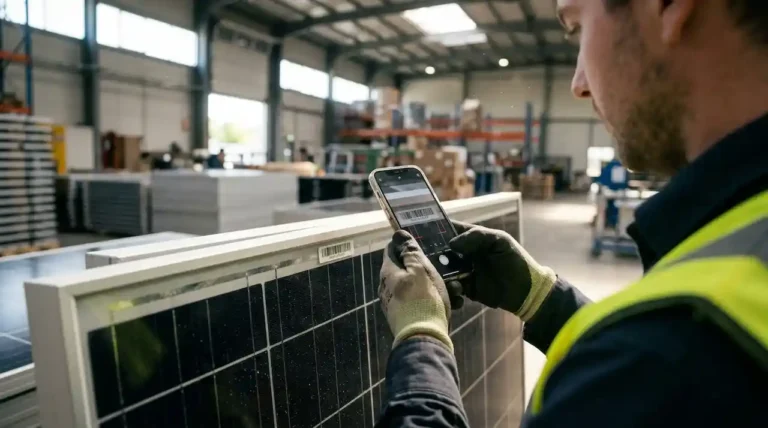
Substandard components cause fires and yield 30% less power. Before releasing full payment, verify these 4 critical points:
Frequently Asked Questions (FAQs)
What is the total cost of a 5kW solar system in Pakistan in 2026?
A 5kW on-grid solar system costs between Rs. 4.8 and Rs. 5.8 Lakh in 2026. A 5kW hybrid system with tubular batteries costs roughly Rs. 7.5 to 8.8 Lakh, while opting for a modern 48V Lithium (LiFePO4) battery pushes the turnkey cost to Rs. 9.2 to 10.5 Lakh.
What is the cost of a 3kW solar system in Pakistan?
A standard 3kW on-grid setup costs around Rs. 3.2 to 3.8 Lakh. A 3kW hybrid setup with a 2-battery backup system costs roughly Rs. 4.8 to 6.2 Lakh. It produces 12 to 15 units of electricity daily, sufficient for one 1-ton inverter AC, refrigerator, fans, and lights.
What is the price of a 10kW solar system with net metering?
A complete 10kW on-grid solar system with net metering costs between Rs. 8.5 and Rs. 10.5 Lakh turnkey. Adding net metering DISCO approval and green meter fees adds another Rs. 1.1 to 1.4 Lakh. A 10kW system generates 40 to 50 units daily, wiping out electric bills for large 10-marla and 1-kanal homes.
Is On-Grid or Hybrid solar better for Pakistani homes?
Hybrid is the best choice for 90% of Pakistani homes because it provides automatic battery backup during WAPDA load shedding while still supporting net metering exports. On-grid is cheaper upfront but shuts off completely whenever the grid goes down.
How many units does a 5kW solar system generate per day?
A 5kW system generates between 20 to 25 units (kWh) of electricity per day during clear sunny conditions in Pakistan, totaling 600 to 750 units per month. In peak summer months (May to August), generation can exceed 800 units.
How long does a home solar system take to pay for itself in Pakistan?
With current commercial and residential electricity tariffs exceeding Rs. 60–65 per unit, most home solar systems achieve complete financial payback within 2.2 to 3 years. After payback, the system produces essentially free electricity for the remaining 22+ years of panel life.
Disclaimer: Solar quotations vary by panel wattage, inverter model, structural design (elevated vs standard ground), cable run lengths, and ongoing currency exchange rates. Always acquire a written, itemized quotation with serial numbers before releasing advance payments.