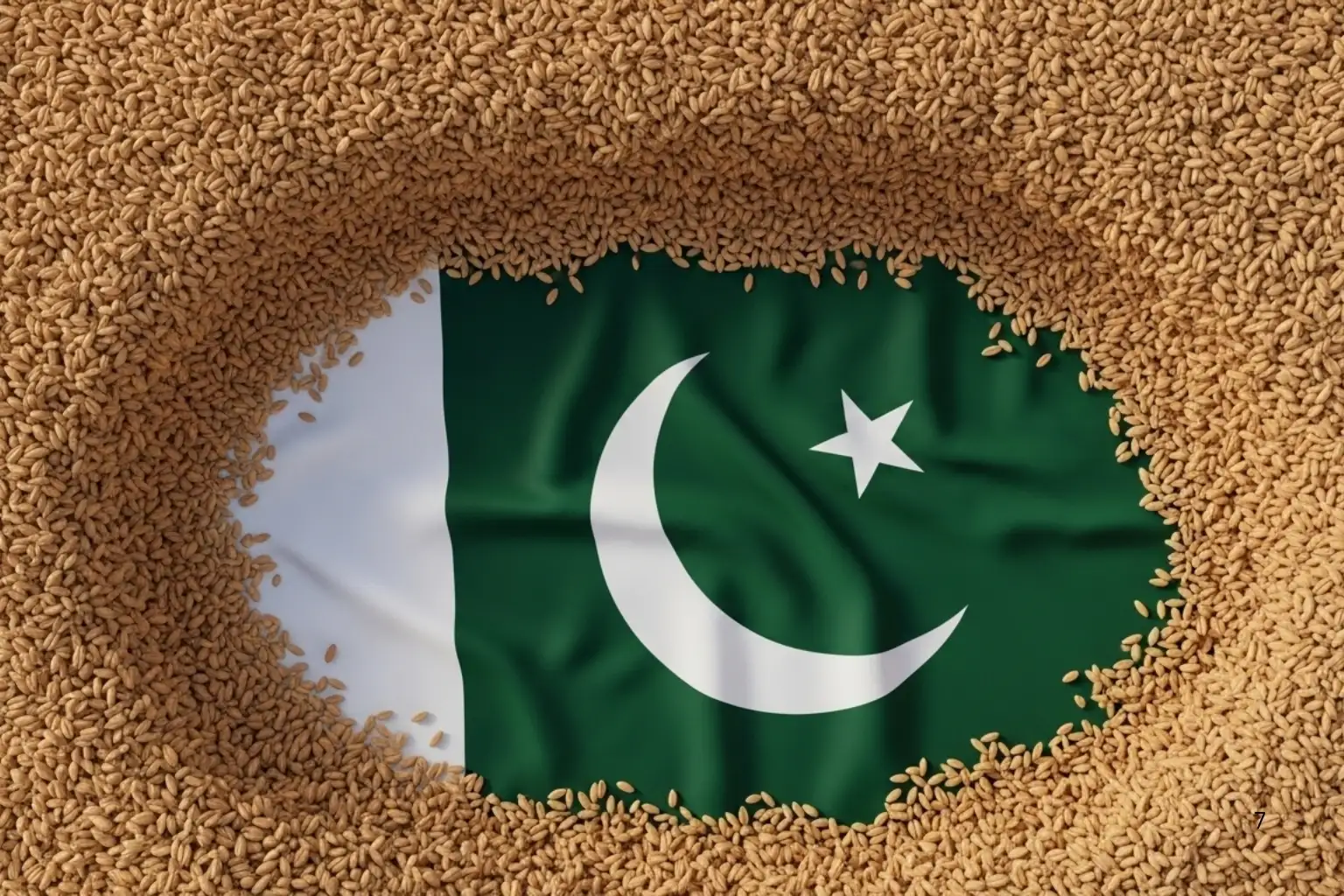
Wheat (گندم) is the cornerstone of Pakistan’s agricultural economy and the primary food staple for over 240 million citizens. The daily price movements in Ghalla Mandis directly influence retail flour (آٹا), roti tandoor rates, and overall kitchen food inflation. Whether you are a farmer monitoring farm-gate realizations, an arhti (commission agent), a flour mill procurement manager, or a household planning grain storage, this guide provides the daily benchmark wholesale and retail wheat rates across Pakistan.
Today Wheat Mandi Rates in Pakistan (City-Wise 40 KG & 100 KG Rates)
Wholesale grain rates vary across regional grain markets due to local harvest surplus, moisture quality, mill demand, and inter-provincial transportation costs. The table below outlines the Minimum, Maximum, and Average rates per 40 KG (1 Maund) alongside the standard 100 KG Wholesale Bag (کوئنٹل) rates:
Wheat Quality Grades & Variety Pricing in Pakistan
Grain trading in Pakistan is governed by strict physical inspection criteria including grain luster, moisture percentage (ideally under 10%), broken kernels, and foreign matter. Commercial buyers, flour mills, and households pay differentiated prices based on grain category:
Wheat By-Products: Toori (Straw) & Chokar Prices
In addition to clean grain, wheat harvesting yields critical secondary commodities that sustain Pakistan’s livestock and feed industries:
- Wheat Straw / Bhosa (گندم کا بھوسہ / توڑی): A primary fodder for dairy animals. Prices currently hover around Rs. 750 to Rs. 950 per 40 KG. For full district rates, check our updated Toori Price in Pakistan guide.
- Wheat Bran / Chokar (گندم کا چوکر): Widely utilized in cattle feed formulations. Standard 40 KG mill bags range from Rs. 2,200 to Rs. 2,450.
- Chakki Fine Bran (چھان): Coarse dietary fiber separated during domestic whole-wheat grinding, retailing at Rs. 60 to Rs. 75 per KG.
Factors Influencing Wheat Prices in Pakistan
Daily fluctuations in wheat pricing stem from a combination of domestic regulatory policies, agronomic conditions, and international macroeconomic pressures:
- Support Price & Procurement Targets: The minimum support price (MSP) notified by Punjab (Cabinet Committee on Food) and Sindh sets a psychological floor price across private trade mandis.
- Inter-Provincial Movement Regulations: Checkposts and movement restrictions between surplus regions (South Punjab, Sindh) and deficit hubs (KPK, Balochistan, Karachi) frequently inflate destination prices by Rs. 250 to Rs. 400 per maund due to transit risks and trucking freight.
- Flour Mill Quota Releases: When the provincial Food Departments release subsidized wheat quotas to functional roller flour mills, open market private wheat demand eases, stabilizing prices.
- International CBoT Wheat Futures: Chicago Board of Trade (CBOT) grain futures, global shipping dry-bulk Baltic indices, and PKR-USD parity dictate the landed feasibility of private wheat imports.
- Agricultural Input Inflation: Rising DAP fertilizer prices, tube-well electricity tariffs, tractor diesel rates, and canal water availability directly influence farmer holding power during the post-harvest arrival cycle.
- Sugar Price in Pakistan Today – 50 KG Bag & Retail Sugar Rates
- Toori (Wheat Straw) Price in Pakistan – Fodder & Bhosa Rates
- Today Cement Rate in Pakistan – 50 KG Bag Construction Benchmarks
- Today Steel / Saria Rate in Pakistan – 60 Grade Rebar Rates
Frequently Asked Questions (FAQs)
What is the price of wheat (gandum) per 40 KG in Pakistan today?
The wholesale price of wheat in Pakistan today ranges between Rs. 3,850 and Rs. 4,450 per 40 KG (1 Maund) in Punjab mandis, with an average rate of Rs. 4,100. In Karachi, Peshawar, and Quetta, freight additions bring rates to Rs. 4,350 – Rs. 4,800 per 40 KG.
What is the wholesale rate for a 100 KG wheat bag (quintel)?
In major wholesale grain markets (Ghalla Mandis), a 100 KG wheat bag trades between Rs. 9,600 and Rs. 11,200 depending on grain cleanliness, moisture content, and regional transportation logistics.
What is the retail price of 1 KG wheat at local chakkis?
At local flour chakkis and grocery stores, cleaned and sifted whole grain wheat retails between Rs. 105 and Rs. 112 per KG. Grinding charges (pisai) typically add Rs. 8 to Rs. 12 per KG.
What is the government wheat support price in 2026?
The official procurement floor benchmark established by the Punjab and Sindh Food Departments ranges between Rs. 3,900 and Rs. 4,000 per 40 KG, designed to ensure baseline farmer profitability against input inflation.
Why is wheat more expensive in Karachi, Peshawar, and Quetta?
Punjab and Upper Sindh are Pakistan’s primary wheat surplus zones. Transporting grain across provincial borders incurs heavy diesel freight, labor loading/unloading tolls, and transit wastage, adding Rs. 300 to Rs. 450 per maund to consumer destinations.
How much does wheat straw (Toori) cost in Pakistan?
Wheat straw (Toori / Bhosa), the primary dry livestock fodder, currently trades between Rs. 750 and Rs. 950 per 40 KG across Punjab and Sindh dairy farming belts.
Conclusion
The wheat market across Pakistan operates on a delicate balance between agricultural harvest outcomes, government reserve releases, and international import economics. With domestic open market rates stabilizing around Rs. 3,850 to Rs. 4,450 per 40 KG and 100 KG bags hovering near Rs. 10,400, tracking daily Ghalla Mandi updates is vital for commercial buyers, dairy farmers, and households alike. Bookmark this page for daily verified grain updates, AMIS wholesale price tracking, and agricultural market intelligence.