
Toori Price in Pakistan Today: Live Gandum Bhoosa, 40 KG & Trolley Rates
The average toori price in Pakistan (گندم کا بھوسہ) ranges from Rs. 950 to Rs. 1,250 per 40 KG (1 Maund) in Punjab mandis, while city deliveries and Karachi Bhains Colony average Rs. 1,300 to Rs. 1,500 per 40 KG. For commercial livestock setups, a standard tractor trolley (100–130 Maund) costs between Rs. 110,000 and Rs. 155,000, depending on straw dryness and freight distance.
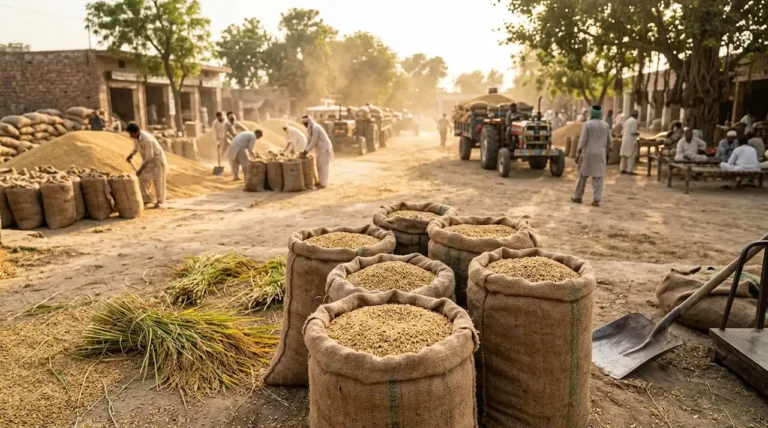
Toori (گندم کا بھوسہ یا Wheat Straw) پاکستان کے لائیو اسٹاک اور ڈیری سیکٹر کی ریڑھ کی ہڈی ہے۔ یہ گندم کی فصل کی کٹائی کے بعد تھریشر یا کمبائن ہارویسٹر کے ذریعے ڈنٹھل کو باریک پیس کر حاصل کی جاتی ہے۔ گائے، بھینس، بکریوں اور بھیڑوں کے نظام انہضام (Rumen function) کو درست رکھنے اور دودھ میں فیٹ (Fats) برقرار رکھنے کے لیے بھوسہ لازمی خوراک مانا جاتا ہے۔
بھوسے کی قیمتیں سارا سال ایک جیسی نہیں رہتیں۔ اپریل اور مئی (گندم کٹائی کے سیزن) میں سپلائی وافر ہونے کی وجہ سے ریٹ 600 سے 800 روپے فی من تک گر جاتے ہیں، جبکہ سردیوں اور قبل از بہار (اکتوبر تا مارچ) کے آف سیزن میں مانگ بڑھنے اور ذخیرہ اندوزی کے سبب ریٹس 1,000 سے 1,300 روپے فی من سے تجاوز کر جاتے ہیں۔
City-Wise Toori (Wheat Straw) Mandi Rates in Pakistan
محکمہ زراعت پنجاب (AMIS) اور علاقائی غلہ منڈیوں کے تازہ ترین ہول سیل نرخ نامے درج ذیل ہیں:
| City / Grain Mandi | Price per 40 KG (Maund) | Price per 100 KG (AMIS) | Quality Grade | Market Status |
|---|---|---|---|---|
| Faisalabad Mandi | Rs. 1,000 – 1,120 | Rs. 2,500 – 2,800 | Thresher Clean (Dust Free) | High Commercial Trading |
| Multan Mandi | Rs. 1,150 – 1,220 | Rs. 2,875 – 3,050 | Golden Dry Straw | Active Daily Arrivals |
| Vehari / Mailsi | Rs. 950 – 1,050 | Rs. 2,375 – 2,625 | Standard Wheat Toori | Local Dairy Supply |
| Bahawalpur / Sadiqabad | Rs. 1,040 – 1,150 | Rs. 2,600 – 2,875 | Fine Straw | Out-of-District Dispatches |
| Lahore (Bund Road / Kahna) | Rs. 1,180 – 1,320 | Rs. 2,950 – 3,300 | White Bundle & Loose | Includes Freight Surcharge |
| Bhakkar / Thal Area | Rs. 560 – 680 | Rs. 1,400 – 1,700 | Field Loose Straw | Origin Supply Zone |
| Karachi (Bhains Colony) | Rs. 1,350 – 1,550 | Rs. 3,375 – 3,875 | Screened Dry Toori | Long-Haul Inter-Provincial |
| Rawalpindi / Islamabad | Rs. 1,200 – 1,380 | Rs. 3,000 – 3,450 | Bundled Straw | Supplied from Central Punjab |
Bulk Toori Rates: Full Trolley, Mazda & Field Acre Contracts
ڈیری فارمرز اور بڑے بیوپاریوں کے لیے بلک ٹرانسپورٹ کے ریٹس مندرجہ ذیل ہیں:
| Supply Volume & Vehicle Type | Estimated Weight (Maunds) | Average Price Range (PKR) | Delivery Conditions |
|---|---|---|---|
| Standard Tractor Trolley (Local) | 100 – 130 Maunds (4,000–5,200 KG) | Rs. 110,000 – 155,000 | Within 30–50 km radius from mandi/field |
| Mazda Truck (Medium Long-Haul) | 250 – 320 Maunds (10,000–12,800 KG) | Rs. 280,000 – 375,000 | Punjab to KP or Sindh terminal points |
| 10-Wheeler / 22-Wheeler Trailer | 600 – 850 Maunds (24,000–34,000 KG) | Rs. 750,000 – 1,150,000 | Bulk supply for commercial feed mills & export |
| Per Acre Field Straw (Reaper Cost) | Yield: 25 – 35 Maunds per acre | Rs. 7,000 – 12,000 per acre | Katai season standing residue rights |
Toori vs Other Cattle Feed Ingredients (Price Comparison)
بھوسے کو جانوروں کے راشن میں اکیلا نہیں دیا جاتا بلکہ اسے دیگر اجناس اور ونڈے کے ساتھ ملا کر کھلایا جاتا ہے:
| Feed Ingredient | Standard Bag / Pack | Current Price (PKR) | Nutritional Function |
|---|---|---|---|
| Wheat Straw / Toori (گندم بھوسہ) | 40 KG (1 Maund) | Rs. 950 – 1,250 | Roughage, Crude Fiber, Rumen Rumination |
| Rice Husk / Polish (چاول پالش) | 40 KG Bag | Rs. 1,600 – 2,200 | Energy supplement, fat content boost |
| Wheat Chokar (گندم کا چوکر) | 35 KG Bag | Rs. 2,100 – 2,650 | Digestible fiber & phosphorus |
| Cottonseed Cake (کَھل بنولہ) | 40 KG Bag | Rs. 3,800 – 4,600 | Crude Protein (20–22%), milk yield boost |
| Dairy Cattle Wanda (کمرشل ونڈا) | 40 KG Bag | Rs. 3,100 – 3,900 | Complete balanced ration with vitamins/minerals |
خریداری کے سنہری اصول: معیاری اور ملاوٹ سے پاک بھوسے کی پہچان
- نمی اور پھپھوندی کا ٹیسٹ (Moisture & Fungus): ہاتھ ڈال کر بھوسے کو اندر سے چیک کریں۔ اگر اندر درجہ حرارت گرم لگے یا پھپھوندی (سفید جالا) نظر آئے تو وہ بارش سے گیلی ہوئی توری ہے، جو جانوروں کے پیٹ میں آفرہ، زہر اور اسقاط حمل کا سبب بن سکتی ہے۔
- مٹی اور گرد کی چھانٹی (Dust Level): صاف بھوسہ سنہری سفید چمک رکھتا ہے۔ اگر بھوسے کا رنگ سیاہی مائل یا سرمئی ہو تو اس میں تھریشر کے دوران زمین کی مٹی زیادہ اٹھائی گئی ہے، جو تول میں وزن بڑھاتی ہے مگر جانور کھاتے نہیں۔
- ڈنٹھل کی باریکی: زیادہ موٹا یا سخت ڈنٹھل جانوروں کے منہ میں زخم کرتا ہے۔ بھوسہ مناسب باریک کٹا ہوا ہونا چاہیے تاکہ چارے اور چوکر کے ساتھ باآسانی یکجان ہو سکے۔
پاکستان کے بڑے بھوسہ ٹریڈنگ ہبس (Where to Buy)
- پنجاب منڈیاں: جھنگ روڈ غلہ منڈی (فیصل آباد)، پرانی غلہ منڈی (ملتان)، بائی پاس ساہیوال، چیچہ وطنی، اور سرگودھا بائی پاس۔
- لاہور: بند روڈ نزد بابو صابو چوک، کاہنہ نو غلہ منڈی، اور سگیاں پل چارہ منڈی۔
- کراچی: بھینس کالونی (لانڈھی) اور سپر ہائی وے چارہ منڈی۔
- خیبر پختونخوا: رنگ روڈ پشاور، صوابی اور ہری پور مویشی منڈی سپلائرز۔
Livestock Nutrition: The 4% Urea-Molasses Treatment for Toori (Wheat Straw)
While wheat straw (toori) forms the bulk dry roughage for dairy cattle, buffaloes, and sheep across Punjab, Sindh, and Khyber Pakhtunkhwa, untreated toori is notoriously low in nutritional value, containing merely 3.0% to 3.5% crude protein and high indigestible lignin. Commercial dairy farmers and research stations (such as UVAS Pattoki and NARC Islamabad) routinely use the proven 4% Urea Treatment Method to double its protein content and boost milk yields:
| Nutritional Parameter | Raw Untreated Toori | 4% Urea-Treated Toori | Dairy Farm Economic Benefit |
|---|---|---|---|
| Crude Protein (CP) | 3.2% – 3.8% | 7.5% – 9.0% | Reduces dependence on expensive mustard seed cake (khal) and commercial wanda. |
| In-Vitro Digestibility | 40% – 45% | 55% – 62% | Ammonia breaks down rigid lignin bonds, allowing rumen microbes to ferment straw faster. |
| Daily Dry Matter Intake | Low (palatability barrier) | 25% to 35% Higher | Treated straw becomes soft, golden, and emits an appetizing sweet fermented aroma. |
Step-by-Step Urea Treatment Recipe (Per 100 KG Straw):
Before preparing the ammoniation solution, verify current bags rates at Fertilizer Price in Pakistan Today (Sona Urea Rates) to calculate your exact cattle feed batch cost:
- Dissolve the Urea: Dissolve exactly 4 kg of standard agricultural Urea fertilizer and 2 kg of liquid sugar mill molasses (sheera) into 45 to 50 liters of clean water.
- Layer and Spray: Spread 100 kg of clean wheat straw in 6-inch layers over a clean concrete floor or thick polythene sheet. Uniformly sprinkle the urea-water solution using a garden watering can or pressure backpack sprayer.
- Air-Tight Sealing: Compact the moistened straw thoroughly by trampling with gumboots to expel air pockets. Cover tightly with heavy-gauge black polythene plastic (or seal inside a pit covered with a 4-inch layer of wet mud).
- Curing Period: Leave sealed for 21 days in summer (or 28 to 35 days in winter). During this anaerobic period, urea hydrolyzes into ammonia gas that chemically loosens straw fibers. Air out for 2 hours before feeding to allow excess free ammonia to dissipate.
Storage Management: Preventing Fungal Mold, Heating & Dhar Collapse
Because wheat harvesting in Pakistan concludes within a narrow 4-week window between April and May (monitored alongside Today Wheat Prices in Pakistan), cattle farmers and traders must store an entire year’s supply of toori before summer monsoon rains arrive:
- The Moisture Ceiling (<12%): Never buy or bale toori during dewy morning hours or immediately following unseasonal rain showers. Storing straw with over 14% moisture triggers spontaneous microbiological fermentation, raising internal stack temperatures above 60°C and creating dangerous Aspergillus molds that produce aflatoxins.
- Traditional Dome-Shaped Mud “Dhar” (توڑی کا دھر): The most resilient open-field storage in rural Punjab involves stacking loose straw into a high-peaked conical heap and plastering the entire exterior with a 2-inch coat of wheat straw chaff and sticky clay mud. The steep pitch naturally sheds heavy July–August torrential monsoon downpours.
- Elevated Silage Pit Flooring: If storing loose toori inside shed godowns, always place wooden pallets or a 6-inch layer of dry rice husk on the concrete floor. Ground condensation during winter months will rot the bottom 12 inches of straw if laid directly on uninsulated cement.
FAQs
What is the price of 40 KG toori (wheat straw) in Pakistan today?
The price of 40 KG toori (wheat straw bhoosa) ranges between Rs. 950 and Rs. 1,250 in major Punjab grain mandis (Faisalabad, Multan, Sahiwal). In consumption hubs like Lahore and Karachi, it ranges from Rs. 1,300 to Rs. 1,550 per 40 KG including long-distance transportation costs.
How much does a full tractor trolley of toori cost in Pakistan?
A standard tractor trolley holding approximately 100 to 130 Maunds (4,000 to 5,200 KG) of dry wheat toori costs between Rs. 110,000 and Rs. 155,000, depending on delivery distance from the grain market or agricultural field.
Why do toori prices increase during winter in Pakistan?
During the winter months (November to March), green fodder availability decreases, leading to higher demand for dry roughage among dairy cattle farmers. Additionally, storage costs, middlemen margins, and stock depletion between harvesting seasons drive up off-season toori prices.
When is the cheapest time to buy toori in Pakistan?
The most economical time to purchase toori in bulk is immediately after the annual wheat harvesting season in April and May. Mandi supply reaches its peak, bringing rates down to Rs. 600 to Rs. 800 per 40 KG.
What is the difference between white toori and dark toori?
White toori is harvested under dry sunny conditions, clean from mud, and threshed properly, making it highly palatable and safe for livestock. Dark or grey toori indicates rain damage, moisture exposure, or high sand content, which can cause severe digestive disorders in dairy animals.